
Dr. Alessandro Giardini
.png)
.png)
.png)
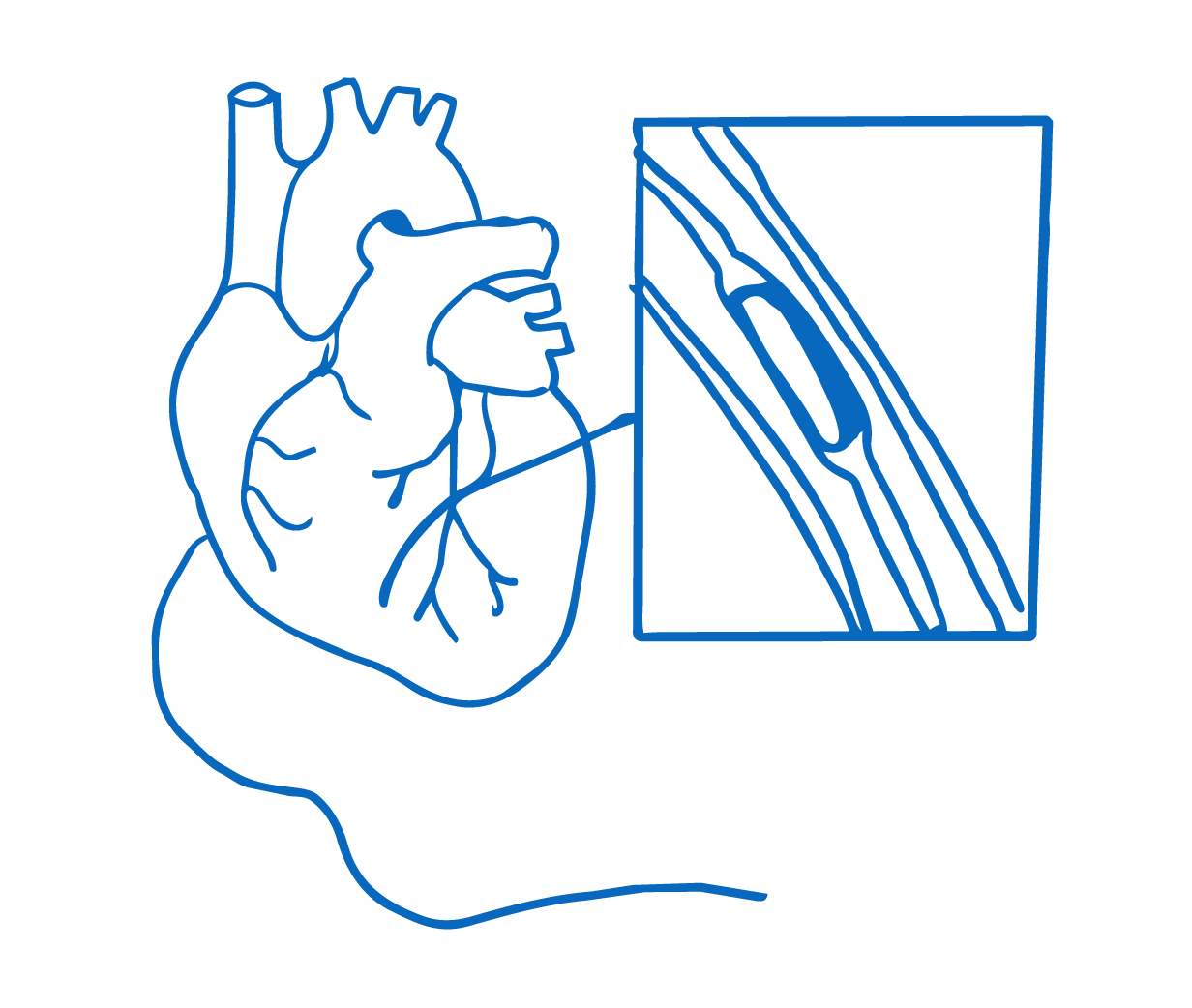
Cardiac catheterisation is a specialised procedure used to diagnose and, in many cases, treat heart conditions in babies and children. It involves passing a long, thin, flexible tube called a catheter through a blood vessel in the groin, arm or neck and guiding it carefully into the heart chambers, arteries and veins. Because the catheter reaches the heart through the blood vessels rather than through open surgery, it is often referred to as a keyhole procedure.
The procedure is always carried out under general anaesthetic so that your child remains comfortable and completely still throughout. A highly experienced team is involved, including a cardiac anaesthetist, specialist nurses, a physiologist who monitors your child continuously during the procedure, and specialist radiographers who help acquire the images. Your child lies on a specially designed table beneath two large X-ray cameras that take moving images in real time. Radiation exposure is carefully controlled and monitored by both the cardiologist and the radiographer at all times.
Once the catheter is in position, the clinical team can carry out a range of diagnostic measurements. These include recording the pressure and oxygen levels inside the heart chambers and blood vessels, which provides information that cannot be obtained by any other means. A special contrast dye may also be injected through the catheter at a controlled rate. This dye mixes with the blood and highlights its flow through the heart on X-ray video, a technique known as angiography. Angiography can reveal holes in the heart, narrowed or leaking valves, narrowed arteries or veins, and other structural abnormalities. In some cases, a hybrid approach combines catheterisation with cardiac MRI to measure flows and volumes with exceptional accuracy, which is particularly helpful for children with complex circulations such as a single ventricle heart or severe pulmonary hypertension.
If a problem is identified during the procedure, it can often be treated at the same time using interventional techniques delivered through the catheter itself. Dr Giardini's team offers keyhole treatment for a wide variety of common and rare cardiac conditions, providing a convenient approach that avoids the need for open-heart surgery in many cases.
All children undergoing catheterisation receive heparin, a blood-thinning medication given through the catheter to prevent clot formation while the tubes are inside the circulation. This is closely monitored throughout. At the end of the procedure, the catheter is removed and firm pressure is applied to the entry site to prevent bleeding. Occasionally, mild bruising or a small collection of blood (a haematoma) may develop at the site, but these resolve completely over time. The procedure generally takes around two hours, and most children are able to go home on the same day.
If you would like to know more about cardiac catheterisation or discuss whether your child may benefit from a keyhole intervention, please do not hesitate to contact Dr Giardini's team to book an appointment.