
Dr. Alessandro Giardini
.png)
.png)
.png)
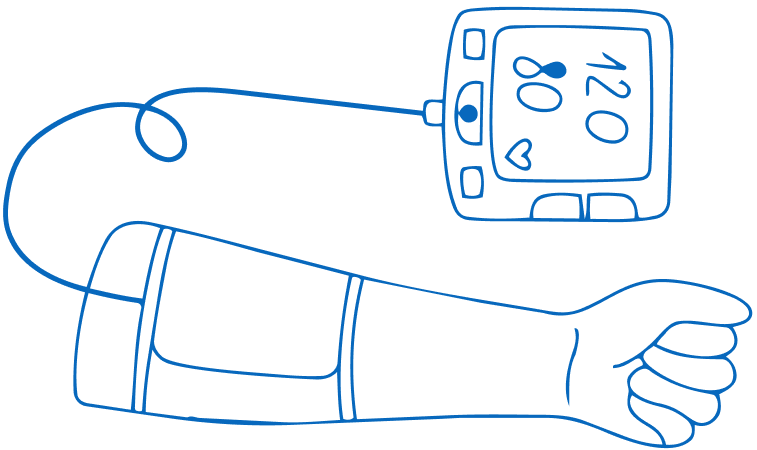
Blood pressure measurement is a routine and important part of every paediatric cardiology assessment. Blood pressure is the force that blood exerts on the walls of the arteries as the heart pumps it around the body. Two numbers are recorded: the systolic pressure (when the heart contracts) and the diastolic pressure (when the heart relaxes between beats). In children, normal blood pressure varies according to age, height and sex, and Dr Giardini uses established reference charts to interpret your child's readings accurately.
During a clinic visit, blood pressure is measured using an appropriately sized cuff wrapped around your child's upper arm. Choosing the correct cuff size is essential for an accurate reading; a cuff that is too small or too large can give misleading results. Your child will be asked to sit quietly with their back supported and feet flat on the floor for a few minutes before the measurement is taken. The cuff inflates briefly and may feel a little tight, but the sensation lasts only a few seconds and is not painful. Younger children may sit on a parent's lap if this helps them stay relaxed.
A single raised reading does not necessarily mean that your child has high blood pressure. Children can sometimes have temporarily elevated readings when they feel anxious or unsettled, a phenomenon known as white coat hypertension. For this reason, if a clinic reading is higher than expected, Dr Giardini may recommend ambulatory blood pressure monitoring (ABPM) to get a clearer picture.
ABPM involves wearing a small portable monitor attached to a blood pressure cuff on the arm for a full 24-hour period. The device inflates automatically at regular intervals throughout the day and night, typically every 30 minutes, and records each reading. Your child can carry on with normal daily activities, including school, though the monitor should not get wet, so baths and showers need to be avoided during the monitoring period. When the cuff inflates, your child should try to keep their arm relaxed and still for a few moments to ensure an accurate measurement. You will be given a simple diary to note your child's activities and sleep times, which helps Dr Giardini interpret the results in context.
ABPM is particularly valuable because it captures blood pressure across a range of situations, including rest, activity and sleep, providing a much more complete picture than a single clinic measurement. It can confirm or rule out a diagnosis of hypertension, identify white coat hypertension, detect masked hypertension (where blood pressure appears normal in clinic but is raised at other times), and monitor how well treatment is working. The monitor is returned after 24 hours, and the data are downloaded and analysed by Dr Giardini. Results are discussed with you at a follow-up appointment.
If you have any concerns about your child's blood pressure or would like to arrange monitoring, please do not hesitate to contact Dr Giardini's team to book an appointment.